
The Complete Guide to Buying a House in Spain as a Foreigner


Understanding the Spanish Real Estate Market
Buying a house in Spain as a foreigner can be an exciting yet complex process. The Spanish real estate market is diverse, offering everything from coastal villas to urban apartments. Understanding the nuances of this market is crucial to making an informed purchase. It's important to note that real estate prices can vary significantly depending on the region, with areas like Barcelona and Madrid generally commanding higher prices.

Legal Requirements for Foreign Buyers
Before diving into the property market, it's essential to understand the legal requirements for foreigners purchasing property in Spain. One of the first steps is obtaining a Número de Identificación de Extranjero (NIE), a tax identification number necessary for all financial transactions in Spain. Additionally, while there are no restrictions on foreigners buying property, working with a qualified Spanish lawyer can help navigate the legalities involved.
Financing Your Purchase
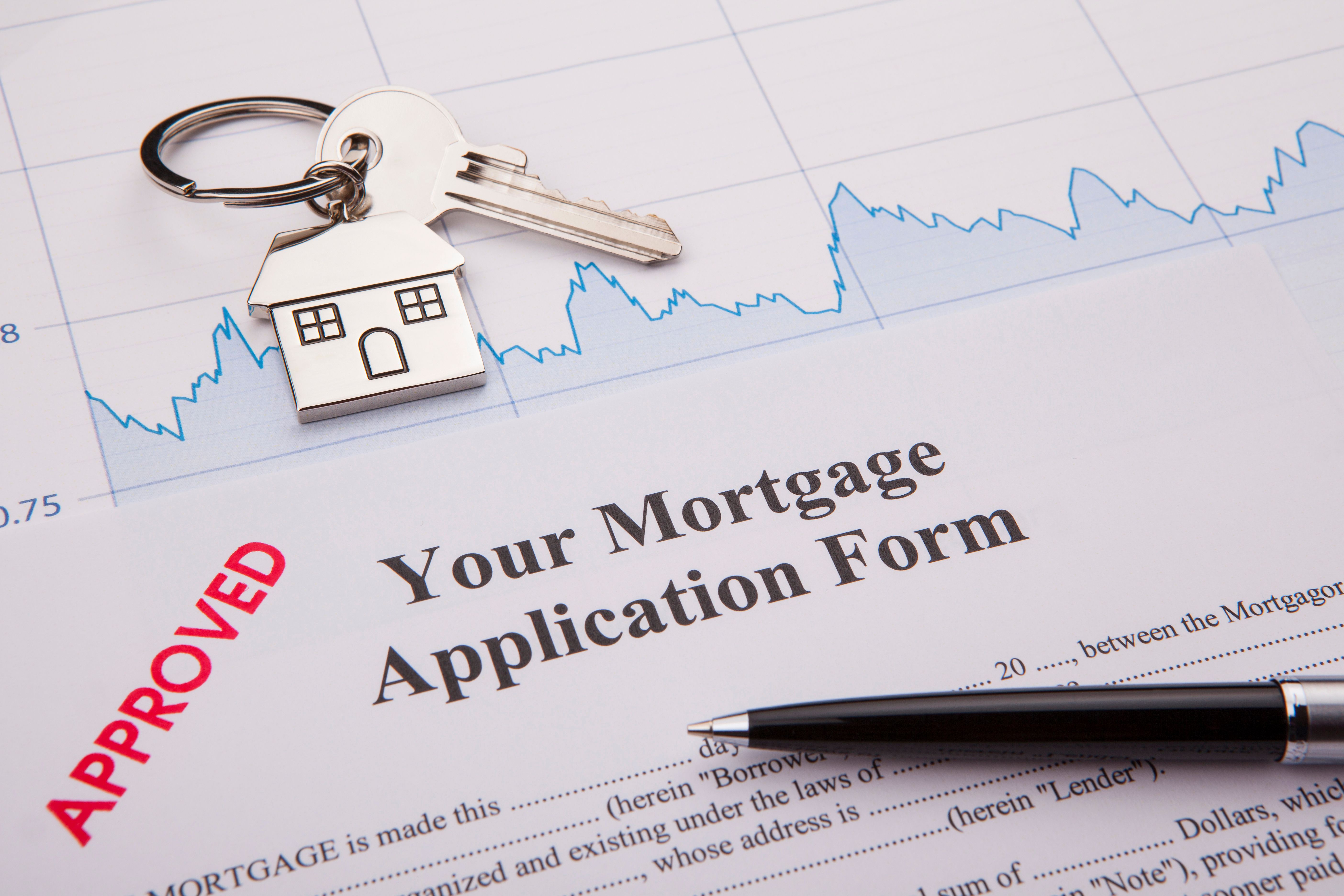
Securing financing is a significant consideration when buying property in Spain. Many banks offer mortgages to non-residents, but they typically require a larger down payment compared to residents. It’s advisable to shop around and compare offers from different banks to find the best terms. Keep in mind that mortgage conditions might vary based on factors such as the property's location and the buyer's financial profile.
Finding the Right Property
With legalities and financing sorted out, the next step is finding the right property. Working with a reputable real estate agent can make this process smoother. Agents familiar with the local market can provide insights into neighborhoods, property values, and even legal hurdles specific to the area. Online real estate platforms are also valuable resources for browsing listings and getting a sense of market prices.
Making an Offer
Once you find a property you’re interested in, the next step is making an offer. In Spain, it’s common to negotiate the price, so don't hesitate to propose a lower offer initially. If accepted, you’ll sign a preliminary contract known as a “contrato de arras”, which involves paying a deposit. This contract legally binds both parties to complete the sale, barring any unforeseen circumstances.

Closing the Deal
The final steps involve completing due diligence, such as ensuring there are no outstanding debts on the property, and signing the deed before a notary. After signing, you must register the property with the Land Registry to officially transfer ownership. This process can take some time, but it’s crucial for securing your investment.
Additional Costs to Consider
Beyond the purchase price, be prepared for additional costs such as taxes, notary fees, and legal fees. The property transfer tax is one of the most significant expenses and varies between regions. It’s also wise to budget for ongoing costs like property maintenance and community fees if applicable.
By understanding these key aspects of buying property in Spain as a foreigner, you can ensure a smoother and more successful purchase process. Whether you're seeking a holiday home or a permanent residence, Spain offers a wealth of options that cater to different tastes and budgets.