
Understanding Property Regulations in Spain: A Homebuyer’s Guide


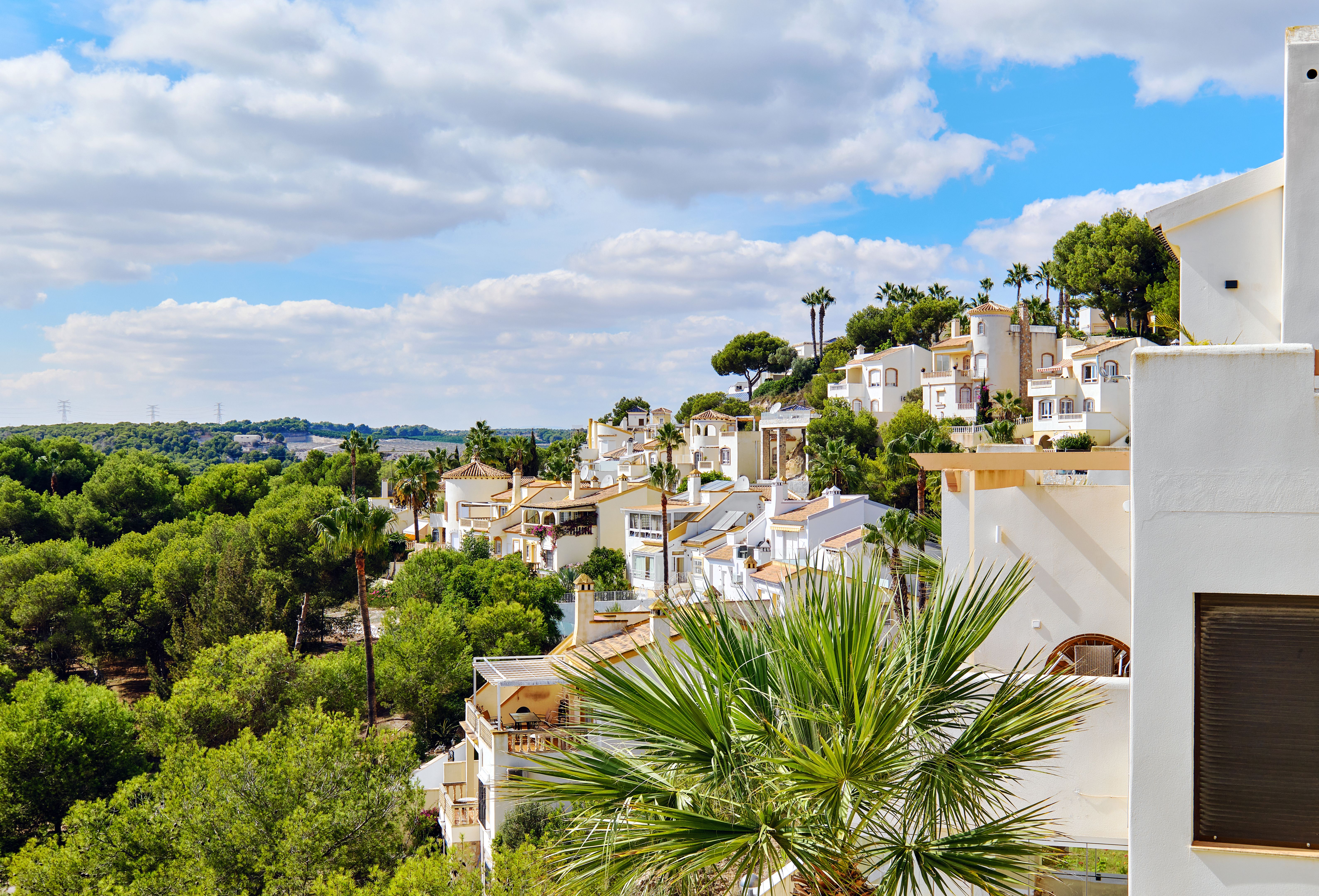
Buying property in Spain can be an exciting venture, but understanding the local regulations is crucial for a smooth process. The Spanish property market, known for its diverse offerings from coastal villas to urban apartments, requires buyers to be well-informed about legal and procedural aspects.
Legal Framework
Spain's property regulations are governed by both national and regional laws. It's essential to familiarize yourself with the basic legal framework, which includes the Spanish Civil Code and regional laws that may apply depending on where the property is located. Consulting a legal expert who specializes in Spanish property law can be invaluable.
Property Registration
All properties in Spain must be registered with the Land Registry. This provides legal protection to owners and ensures that all property details are accurately recorded. Before purchasing, it's important to verify that the property is free of debts or encumbrances.

Key Considerations for Foreign Buyers
Foreign nationals looking to buy property in Spain need to obtain a Número de Identificación de Extranjero (NIE). This identification number is necessary for all financial transactions in Spain, including property purchase. Applying for an NIE is a straightforward process but should be done well in advance.
Financing and Mortgages
Securing financing in Spain may differ from other countries. Spanish banks offer mortgages to non-residents, but the terms can vary. It's advisable to compare different banks and understand the mortgage conditions, including interest rates and repayment terms.

Types of Properties
Spain offers a variety of property types, from new developments and resale homes to rural properties and plots of land. Each type comes with its own set of regulations. For example, buying rural land may involve additional environmental considerations.
New Builds vs. Resale Properties
New builds often come with guarantees under Spanish law, offering buyers peace of mind regarding construction quality. Resale properties, however, might require thorough inspections to ensure there are no hidden issues.

Taxes and Fees
Purchasing property in Spain involves various taxes and fees. These include the Property Transfer Tax (Impuesto de Transmisiones Patrimoniales) for resale properties, and VAT (IVA) for new builds. Additionally, buyers should budget for notary fees, registration fees, and legal costs.
Ongoing Costs
Beyond the initial purchase, property owners in Spain need to be aware of ongoing costs such as the annual property tax (Impuesto sobre Bienes Inmuebles), community fees, and insurance. These costs can vary significantly depending on the location and type of property.
Understanding property regulations in Spain is essential for any homebuyer. By familiarizing yourself with the legal requirements, types of properties, and financial obligations, you can ensure a successful and stress-free purchase. Engaging with local experts and doing thorough research are key steps in navigating the Spanish property market.